




The "AI Writing" Trap
We hear a lot about "AI Writing" in R&D lately. Usually, people are talking about tools that help draft a section or polish some clunky text. Those are great for a quick win, but they don't handle the real nightmare of regulatory authoring: the complexity.
A Clinical Study Report (CSR) isn't just a document. It’s a synthesis of data, science, and strict rules. When you use disconnected AI tools, you end up with "content silos." The data in your summary doesn't match the source TFL, and suddenly you’re back to manual cross-checking.
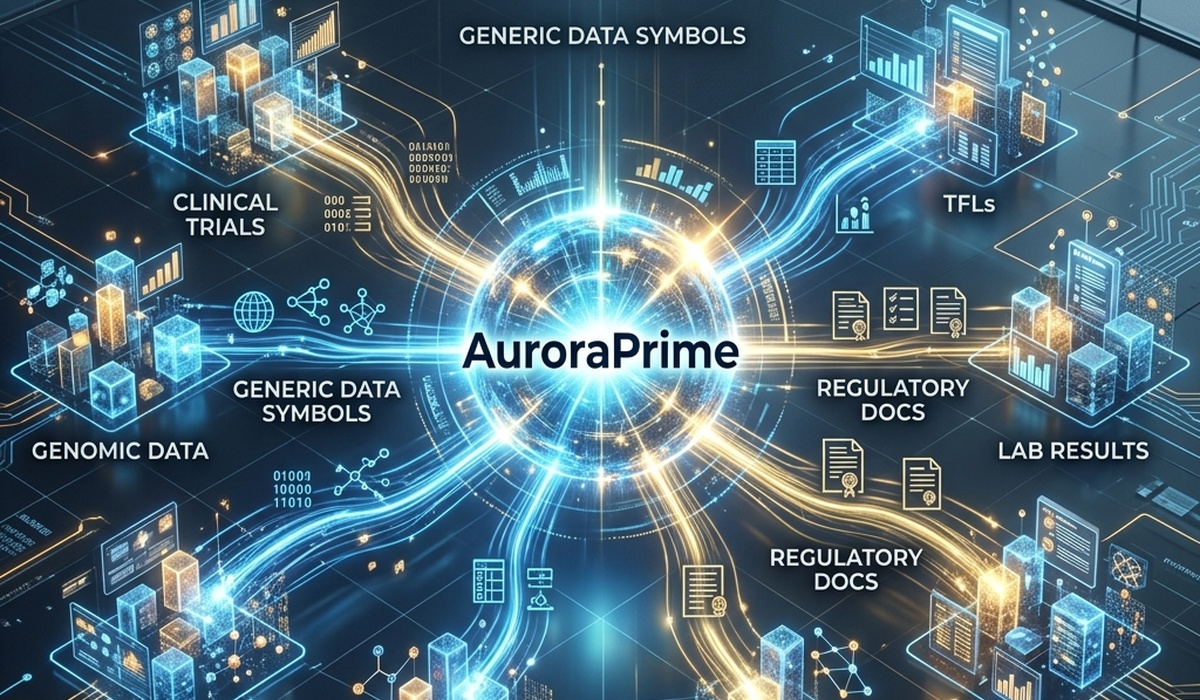
To actually transform how we work, we need to move beyond writing assistants and toward a full pharma ai content orchestration platform.
Writing Tool vs. Orchestration Platform
| Capability | Basic AI Writing Tool | AI Content Orchestration Platform |
|---|---|---|
| Data Integrity | Limited (relies on copy-paste) | Native (grounded in TFL/Protocol data) |
| System Connectivity | Standalone | Integrated (Veeva Vault, RIM, CTMS) |
| Audit Readiness | Manual | Digital Audit Trail (Source Tracing) |
| Consistency | Document-level | Dossier-level (Cross-module sync) |
| Validation | Post-hoc QC | Proactive (built-in business rules) |
The Problem with Point Solutions
Standalone AI tools are "point solutions." They solve one tiny piece of the puzzle but ignore the rest of the clinical trial ecosystem.
If your AI isn't orchestrated, you're looking at:
The Hallucination Risk: If the AI doesn't have a direct, hard-coded link to your TFL data, it might "guess" a number. In pharma, that's a disaster.
Tab-Hopping Hell: Writers shouldn't have to jump between their RIM, their data folders, and a separate AI tool.
QC Overload: If the AI isn't grounded in your specific data, your reviewers spend more time fact-checking the AI than they would have spent writing it manually.
What "Orchestration" Actually Looks Like
An enterprise ai content platform for pharma like AuroraPrime RMA is built on orchestration. This means the platform doesn't just write; it manages the flow of information across the whole lifecycle.
1. Data-Grounded Writing (No Guessing)
A specialized pharma r&d document ai solution is "grounded." When it generates a narrative, it’s looking directly at your TFLs. Every claim is backed by evidence, and every number is pulled from the source.
2. The "Single Source" Advantage
Orchestration means the platform keeps things consistent across documents. If you update the Study Protocol, those changes flow into the CSR, the IB, and the Lay Summary automatically. You describe the study the same way, every time, in every doc.
3. Compliance as a Feature, Not an Afterthought
In an orchestrated world, QC is built-in. Features like Automated Abbreviation Management and Veeva Vault RIM Integration mean your documents are ready for submission the moment the draft is done.
Why Orchestration is the Only Path Forward
Clinical trials are getting more complex, and the data volumes are exploding. The manual, siloed approach is breaking. An ai platform for life sciences content creation gives you the scale to handle global submissions without needing a massive army of writers.
Scale: Manage multiple therapeutic areas with the same level of quality.
Speed: Go from data lock to submission in days.
Agility: Update a whole dossier instantly when new data comes in.
FAQ
What’s the real difference between an AI writing tool and orchestration?
An AI writing tool just generates text. An orchestration platform manages the source-to-document flow. It ensures data integrity and keeps your messaging consistent across dozens of different files.
Does orchestration help with regulatory audits?
Yes. It creates a digital audit trail. Every piece of content the AI writes is linked back to the source (like a specific TFL or protocol section). We call this "Source Tracing," and it’s a game-changer for transparency.
Is it hard to set up?
Actually, no. Platforms like AuroraPrime RMA live inside Microsoft Word and connect to Veeva Vault. It fits into the tools you’re already using, so the learning curve is minimal.
Conclusion
The "AI as a typewriter" era is over. To get therapies to patients faster, we have to move from silos to synthesis.
A pharma ai content orchestration platform isn't just a new tool; it’s the foundation for how R&D will function for the next decade.
Stop the manual cross-checking.
See how AuroraPrime RMA handles orchestration and start synthesizing your R&D data into submission-ready documents.
