




When the CMC Evidence Changes, What Else Needs to Change?
At Bioprocessing Summit 2026, AlphaLife Sciences explored how CMC teams can trace Module 3 evidence into the Quality Overall Summary and assess changes.
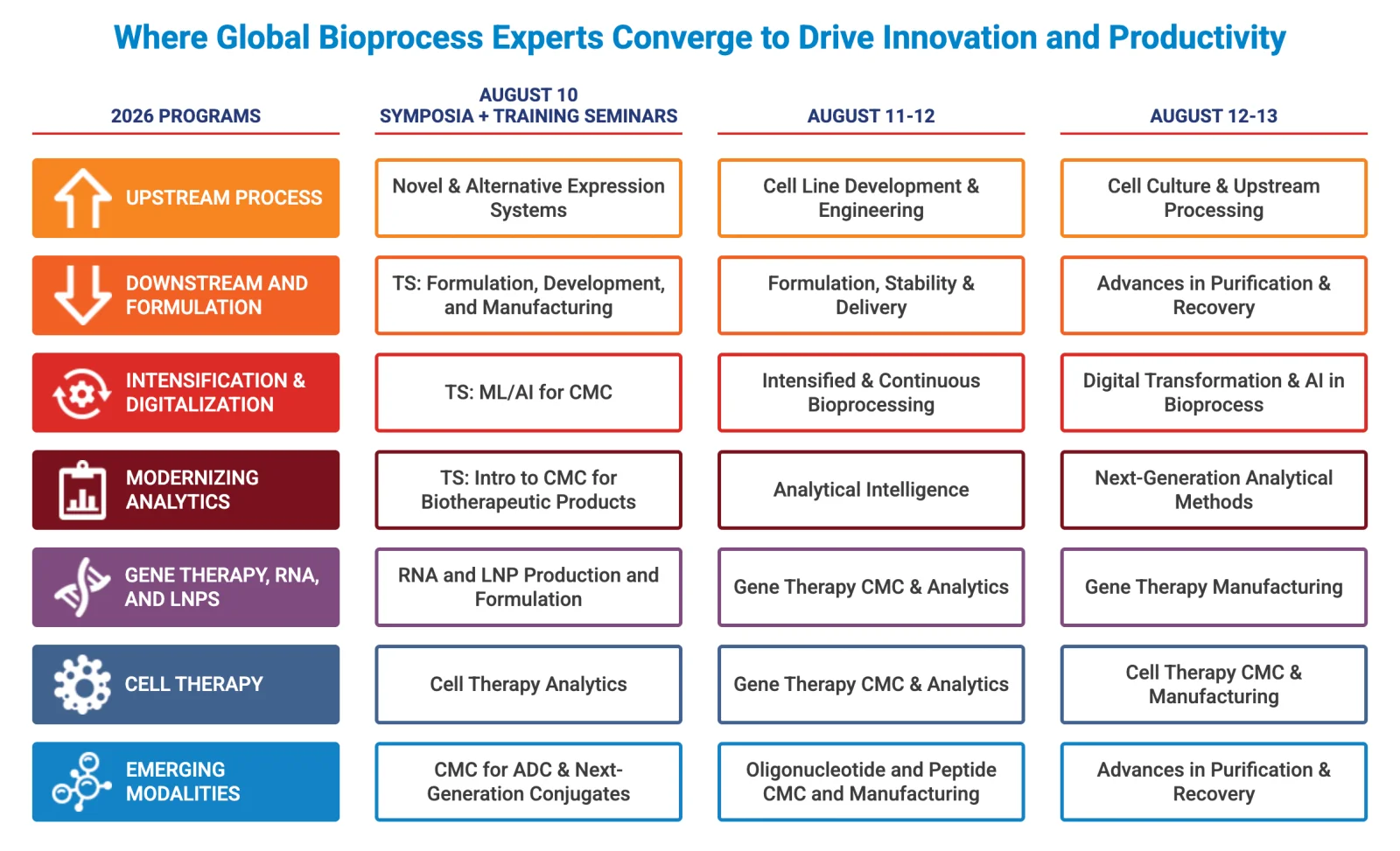
A new stability result can change what a chemistry, manufacturing, and controls (CMC) team says about a product. The author then has to find where the existing conclusion appears and determine which passages need another look. That was the authoring challenge AlphaLife Sciences brought to Booth 501 at the Bioprocessing Summit, held August 10–13 in Boston. Explore our summit program.
The summit program brought together work on process development, scale-up, and quality. Each of those disciplines produces evidence that may eventually inform a submission. The person who generates a stability table and the author who summarizes its implications may work in different systems and on different schedules. A summary that identifies the material behind its conclusions helps both teams see where a new result might matter.
Trace the Quality Overall Summary to its evidence
Our AuroraPrime RMA showcase focused on how authors can connect the detailed evidence in Module 3 to the conclusions in Module 2.3, the Quality Overall Summary. When source material changes, those links help the author identify passages that may need review. A CMC expert can then assess whether the updated evidence changes the scientific conclusion and decide how the summary should reflect it. Explore AuroraPrime RMA for CMC authoring.
Consider a stability report that adds a later time point under the same storage condition. The author can first identify which batch, condition, and time point the existing summary describes. That context helps the reviewer tell whether the new result extends the observation period, changes how a trend should be described, or belongs in a different discussion. Recording the decision also gives a later reviewer a way to see why a passage was revised or retained.
The same review can apply when a source document changes but the scientific conclusion still holds. For example, a revised table may correct a label or clarify which batches are included. The team can check the affected reference, confirm the scope of the correction, and document its assessment. A link to the specific table or section makes that review more direct than a reference to a folder of related files.
Use those links when planning for M4Q(R2)
The proposed M4Q(R2) structure gives teams a reason to map how existing quality content supports the conclusions they need to carry forward. One place to start is a single topic such as stability. Identify the Module 3 evidence, find the corresponding summary text, and record any gaps that need expert input. That gives authors a record of which conclusions the evidence supports as they work through the proposed structure. See ICH’s M4Q(R2) consultation materials.
Test the workflow with one change
Give an author and a reviewer a baseline summary, the supporting Module 3 section, and an updated source. Ask the author to identify the passages affected by the update and the reviewer to check the proposed edits against the source. Keep a record of what changed, who assessed it, and which questions still need an expert answer. The exercise can show whether the team can follow the evidence through a revision before it applies the same approach to more of the dossier.
It also gives the team a practical way to evaluate an authoring tool. Check whether the tool surfaces the right passages and whether reviewers can inspect them with enough context to make a decision. The quality of that handoff is measurable in the work the team already does.
Thank you to the Bioprocessing Summit community. If your team is working through a Module 3 update or planning how to reorganize its quality content, book an AuroraPrime RMA demo to explore that workflow with us.
