

The Regulatory Submission Process Explained: Steps, Documents, and What to Expect
What is a regulatory submission? Learn the types of FDA submissions, how dossiers are structured under the CTD & how submissions are filed & validated.
Sep 25, 2026 Read More
eCTD 4.0: What It is, What Changes, and How AuroraPrime Helps Teams Transition
eCTD 4.0 replaces the v3.2.2 folder hierarchy with an HL7-based format. Learn what's changing and how authoring teams can transition efficiently.
Sep 25, 2026 Read More
What is eCTD and How Does AuroraPrime Keep Every Submission Module Consistent?
eCTD is the digital standard for drug regulatory submissions. Learn the five modules, key application types, and how AuroraPrime keeps content consistent.
Sep 25, 2026 Read More
A Sneak Peek at AuroraPrime RMA Release 2026.09.27
Preview AuroraPrime RMA's September 27 release: project scaffolds, clinical writing updates, and new CMC guidance. See what is planned for your team.
Sep 24, 2026 Read More
How to Triage a Pharma R&D Document AI Solution Portfolio
Triage a pharma R&D document AI solution portfolio across demand, source readiness, templates, review capacity, and change risk. Build the sequence.
Sep 11, 2026 Read More
Traceability Is the Product in Regulated AI
A pharma AI writing platform needs more than fluent output. It needs traceability that helps people investigate, review, and stand behind a result.
Sep 08, 2026 Read More
AuroraPrime RMA AI Writing Platform Update
Explore AuroraPrime RMA 2026.08.30, with new authoring workflows for CSR tables, Lay Summary reuse, CMC projects, and document handling.
Sep 07, 2026 Read More
The Regulatory Narrative Is a Product Experience
Regulatory documents are also reader experiences. Learn how AI Regulatory and Medical Authoring can support clarity, consistency, and evidence-aware narratives.
Sep 04, 2026 Read More
Plain Language Is a Clinical Design Decision
Plain language turns an Informed Consent Form into a better participant experience. See how governed AI authoring can support clearer clinical communication.
Sep 02, 2026 Read More
CMC Authoring Is an Information Architecture Problem
AI CMC authoring software should organize relationships before it drafts. Learn why information architecture matters to better CMC authoring workflows.
Aug 31, 2026 Read More
Pharma AI Writing Platform Pilots Need Exit Criteria
A pharma AI writing platform pilot needs exit criteria for workflow, people, evidence, exceptions, and repeatability. Use this pilot-to-practice scorecard.
Aug 28, 2026 Read More
Test Least Privilege in a Pharma AI Authoring Platform
Test least privilege in a pharma AI authoring platform across people, content, actions, and time with this practical enterprise checklist for life sciences.
Aug 26, 2026 Read More
Why TFLs Change the Shape of a CSR
For CTD Module 5 Clinical Study Reports, see why Tables, Figures, and Listings need a deliberate workflow before they can support a reliable CSR.
Aug 24, 2026 Read More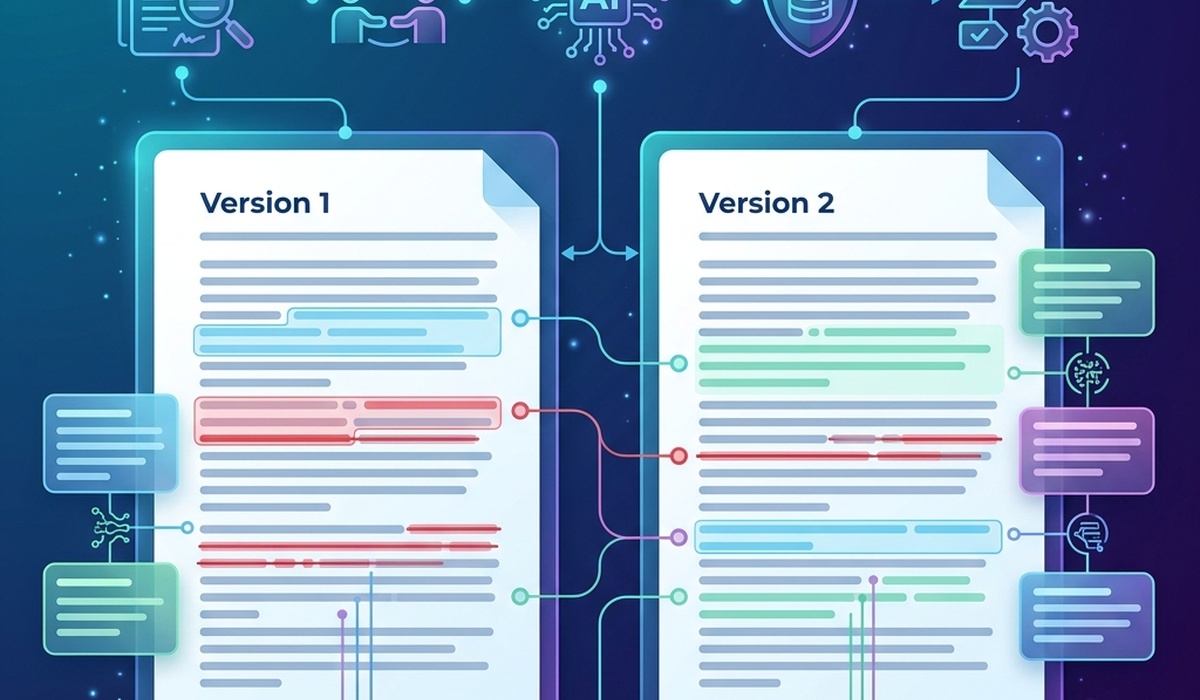
Escaping the Review Loop: Reconciling Reviewer Comments in a Pharma AI Content Orchestration Platform
Discover how a pharma ai content orchestration platform streamlines document comparison, side-by-side data verification, and comment reconciliation.
Aug 19, 2026 Read More
Patient Narratives Deserve More Than Throughput
Why patient safety narratives need AI-assisted organization and human clinical judgment—not an assembly line for faster text.
Aug 17, 2026 Read More
The Most Important Prompt Is a Governance Question
In regulated authoring, the most important prompt is a governance question: what should the workflow permit, preserve, and require before reliance?
Aug 13, 2026 Read More
CMC Authoring Needs More Than a Chatbot
AI CMC authoring software needs source relationships, reusable structure, and accountable review—not simply a clever conversational interface.
Aug 12, 2026 Read More
The M4Q Transition Is a Content Problem
The move toward structured CMC content is not a copy-and-paste project. Learn how AI CTD authoring software can support a safer content transition.
Aug 11, 2026 Read More
From Synopsis to Section Draft: How AI Protocol Writing Keeps Teams in Control
AI protocol writing should expand structured study inputs into editable, section-level drafts without removing human control. See how governed generation works.
Aug 09, 2026 Read More